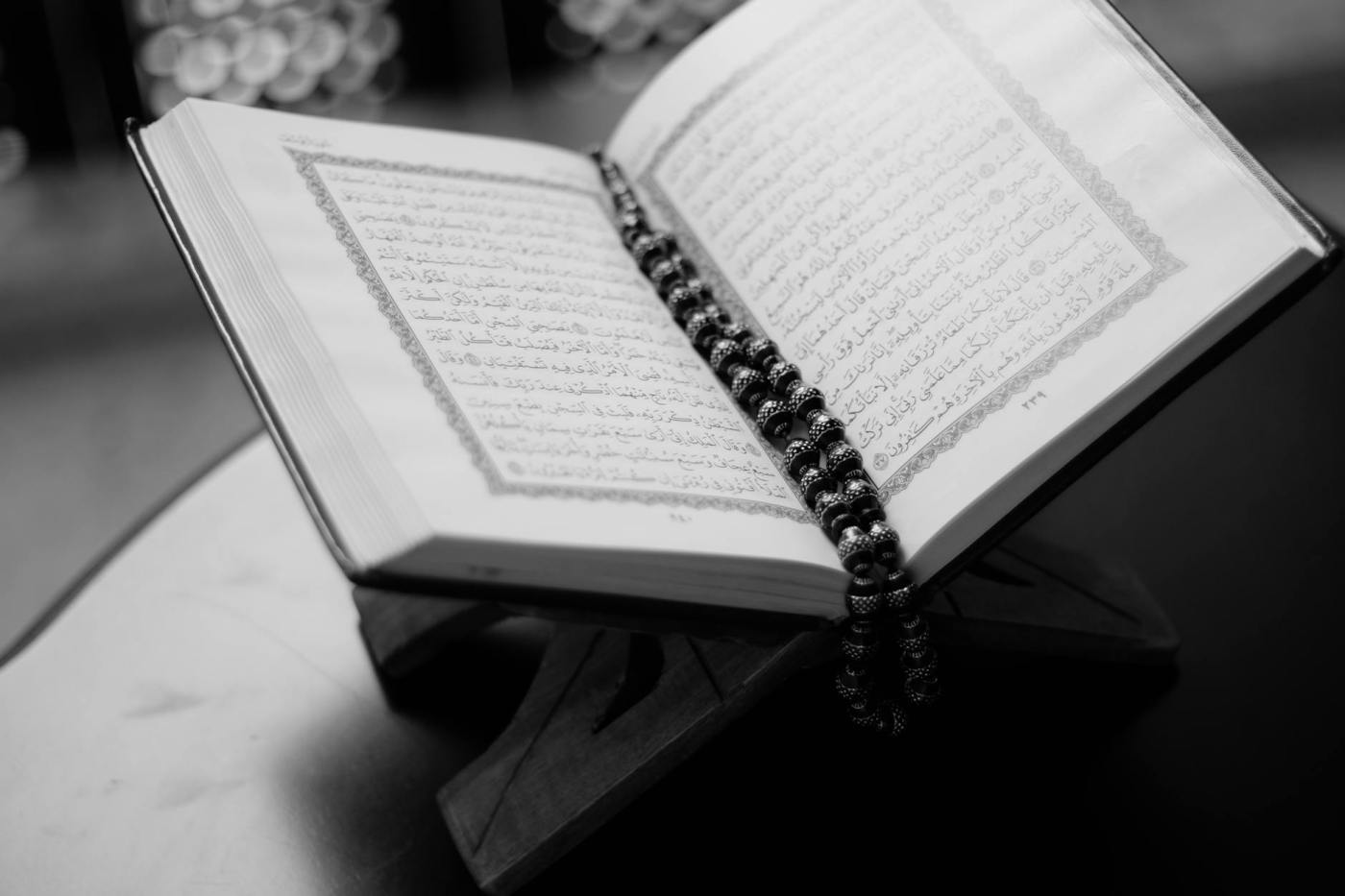
Surah al-Baqarah starts with an emphatic statement.
ذَٰلِكَ ٱلْكِتَـٰبُ لَا رَيْبَ ۛ فِيهِ ۛ هُدًۭى لِّلْمُتَّقِينَ ٢
This Book has no doubt in it. [Al-Baqarah: 1-2]
Imam al-Suyuti explains that the verse means that there is no doubt or uncertainty about the fact that this book is from Allah.
But how do we know? We will discuss this in more detail in a later post insha Allah when we look at the ayah challenging Meccans to produce “a surah like it”. However, in brief, the Qur’an is a miracle, and one of the most prominent aspects of its miracle is its eloquence. Matching the eloquence of the Qur’an is humanly impossible. I have posted a translation of an excerpt from Imam Alusi’s tafseer in this post which might provide a general understanding of the Qur’anic challenge: Bring a surah like it.
Also, eloquence is not merely a personal judgement. Muslim scholars have studied and analysed pre-Islamic poetry and defined the features of eloquent speech based on what Arabs used to consider eloquent. A quick glimpse of this topic can be found here: Fasaha & Balagha.
But it’s one thing to theoretically understand that the Qur’an is eloquent, but it’s a totally different matter to experience even just the slightest glimpse of its eloquence. A sign of the Qur’an’s literary excellence is embedded in the very first word of the ayah in discussion: ذَٰلِكَ
Most translations would say “This book” as opposed to “That book”. However, ذَٰلِكَ actually means “that”. What’s the difference between “this” and “that”?
“This” refers to something close, while “that” refers to something distant. However, the translations are correct as the intended meaning is “this”, as explained by Imam al-Suyuti. The “book” being referred to is that which is recited by Prophet Muhammad (saw). And he was reciting it amongst the Arabs. In that sense, the “book” is something near, not distant.
Yet, the demonstrative pronoun used is “that” to highlight that the Qur’an is distant from us in terms of its elevated rank and majesty. This simple shift produces a profound impact and invokes veneration for the Qur’an and emphasises its magnificence.
This is but one example. The Qur’an is replete with such rhetorical gems. It really is a book which demands that the reader pause and ponder deeply on not just the message, but also how the message has been worded and framed. That is when the miracle becomes evident.
 Qur'anic Reflections
Leave a comment