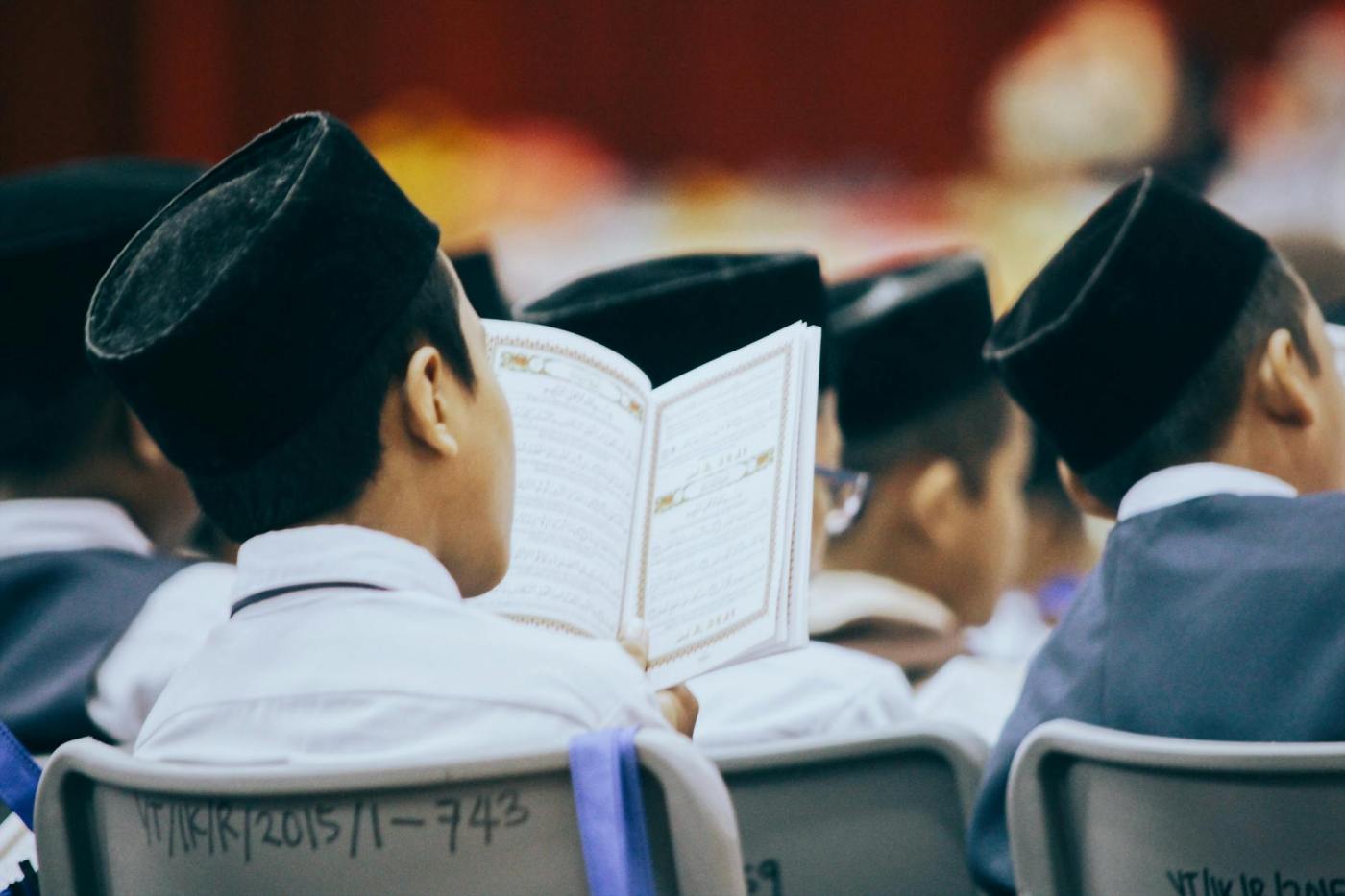
Surah Al Tin talks about how humans are created in the finest state and then reduced to the “lowest of the low”:
We have created man in the best composition,
Then we turned him into the lowest of the low,
Except those who believed and did righteous deeds, because for them there is a reward never ending.
[Al Tin, 4-6]
Tafseer Al Jalalayn provides a beautiful explanation of the above verses. The commentator takes “the lowest of the low” to be a metaphor for senility and weakness. As the believer grows old and is unable to keep performing as many good deeds as in their youth, they still continue to get the rewards for the good deeds they used to perform – “for them there is a reward never ending.”
The following hadith is mentioned in the tafsir:
When the believer reaches old age which makes them incapable of performing [good] deeds, the deeds that they used to do [when they were younger] continue to be written for them.
Often, we are quite proactive in investing time, effort and money during our youth to maximise our wealth so we can benefit in our old age. Yet, when it comes to the hereafter, we often leave many of the good deeds to be performed in our old age, sometimes even obligatory actions, such as Hajj. But what is the guarantee that we will have the physical capability to perform those actions in our later years, that is, if we are even fortunate enough to see the next day? In fact, it is most likely that we will be able to do less in our old age compared to our youth.
The above interpretation provides a very strong motivation and incentive to increase our good deeds during our younger years so that the health, fitness, energy and enthusiasm of our youth – when we are blessed with them in abundance – are employed in the service of Allah subhanahu wa ta’ala. And, insha Allah, we will continue to reap the reward even when the reality of ageing starts to set in.
If you found this post beneficial, please share and subscribe below.
 Qur'anic Reflections
Leave a comment